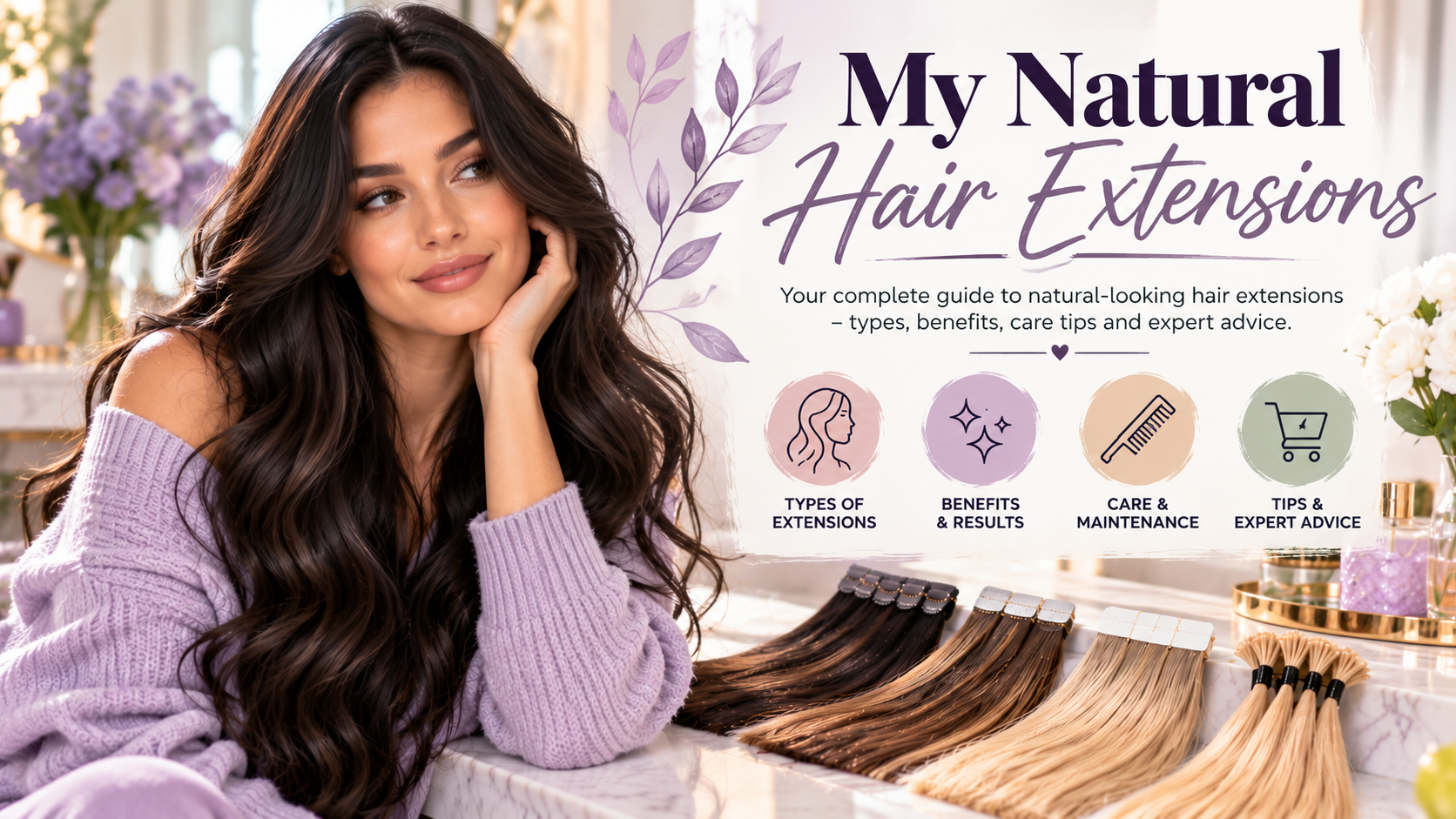
Longer, fuller hair on your terms.
Discover practical guides to hair extensions, natural hair care, styling, wigs and scalp health—so you can choose what works for your hair, lifestyle and goals.

Start with what matters to you
Whether you are new to extensions, comparing installation methods or caring for an existing set, begin with your real-world goal.
 01Find your methodCompare clip-ins, tape-ins, halos, wefts and salon-installed options.
 02Care & maintenanceWash, detangle, dry and store extensions with method-specific guidance.
 03Lifespan & costsSeparate wear time from hair reuse and plan the full budget.
 04Natural hair & textureMatch curl pattern, strand condition, density and blending.
 05Buying & materialsUnderstand human hair, synthetic fibers, Remy claims and value.
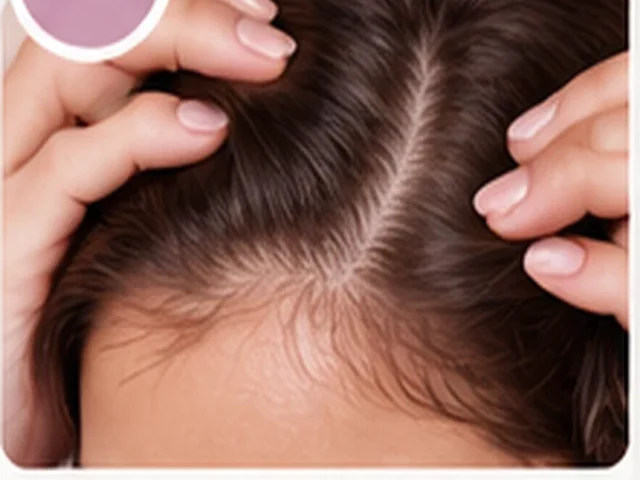 06Scalp & safetyKnow the signs of excessive tension and when to seek help.
Explore all 20 hair extension guides at a glance
Choose a topic from the quick-reference table below. Each title takes you to its matching collection card on this page, where you can continue into the relevant in-depth section. Dedicated article links will be added only after publication.
| HUB | Main guide / collection | What you will learn |
|---|---|---|
| 01 | How Long Do Hair Extensions Last? | Understand the difference between installation wear time, salon move-ups and how long the hair itself can be reused. Compare longevity factors without relying on guaranteed timelines. |
| 02 | How to Take Care of Hair Extensions | Build a method-specific routine for cleansing, detangling, drying, sleeping and storing extensions. Learn which habits help reduce friction and avoid unnecessary pulling. |
| 03 | Types of Hair Extensions Explained | Compare temporary and salon-installed extensions, including how they attach, how they are removed and the maintenance each option requires. |
| 04 | Clip-In, Tape-In and Halo Hair Extensions Guide | Explore the practical differences between clip-ins, tape-ins and halos, from daily convenience and blending to attachment care and removal. |
| 05 | Weft, Sew-In and Fusion Hair Extensions Guide | Learn how wefts, sew-ins and fusion bonds work, why installation skill matters and which questions to ask about weight, tension and upkeep. |
| 06 | Natural Hair Care Guide for Beginners | Start with cleansing, conditioning, detangling and breakage prevention tailored to the condition of your own hair rather than a one-size-fits-all routine. |
| 07 | Curly Hair Types and Care Guide | Understand curls and coils, moisture management, shrinkage and texture matching so added hair works with your natural pattern. |
| 08 | Protective Hairstyles for Natural Hair | Explore braids, twists and other lower-manipulation looks while keeping scalp comfort, tension and safe removal central to your decisions. |
| 09 | Natural Hairstyles for Beginners | Find approachable everyday styles for different lengths and textures, with practical attention to tools, time and hair condition. |
| 10 | Types of Wigs Explained | Compare wigs and toppers by construction, fit, styling flexibility and care needs when you want an alternative to attached extensions. |
| 11 | How Much Do Hair Extensions Cost? | Plan the full budget, including hair, fitting, blending, scheduled refits, removal and possible replacement—not only the initial purchase. |
| 12 | How to Style Hair Extensions | Learn about heat, cutting, color and everyday styling restrictions, with guidance that depends on the fiber and attachment method. |
| 13 | Hair Extensions for Fine Hair | Consider strand diameter, density, attachment visibility and weight before choosing extensions for fine, thin or fragile hair. |
| 14 | Hair Extension Tools and Supplies Guide | Identify the brushes, adhesives, beads, threads and care products used across different systems, and check compatibility before buying. |
| 15 | Are Hair Extensions Safe? | Recognize warning signs such as persistent pulling, pain or irritation and understand when professional salon or medical advice is appropriate. |
| 16 | How to Choose Hair Extensions | Evaluate texture, shade, density, fiber content, processing claims, seller transparency and realistic upkeep before purchasing. |
| 17 | When Should You Remove Hair Extensions? | Know when move-ups, removal or replacement may be needed and why forceful at-home removal can put natural hair at risk. |
| 18 | How to Keep Your Scalp Clean With Hair Extensions | Learn how to keep the scalp accessible and clean around attachment points, with attention to irritation and method-specific aftercare. |
| 19 | How to Travel With Hair Extensions | Prepare for swimming, workouts, travel and special occasions with realistic cleaning, drying, storage and maintenance plans. |
| 20 | Hair Extension Materials Explained | Compare human hair, synthetic fibers, blends and terms such as Remy or virgin without assuming that marketing labels guarantee quality. |
Navigation note: the links above jump to existing sections of this homepage; they are not links to unpublished posts.
20 core hair extension collections
Twenty distinct pillar topics from the original editorial plan. Bold-italic guide names are placeholders for future internal links; they do not imply the article is published.
How Long Do Hair Extensions Last?
Installation wear time, move-ups and the usable life of extension hair.
Explore topic →How to Take Care of Hair Extensions
Daily routines for washing, brushing, detangling, drying and storage.
Explore topic →Types of Hair Extensions Explained
Temporary versus installed methods, attachment types and trade-offs.
Explore topic →Clip-In, Tape-In and Halo Hair Extensions Guide
Clip-in, tape-in and halo methods, blending, placement and removal.
Explore topic →Weft, Sew-In and Fusion Hair Extensions Guide
Wefts, sew-ins, bonds and the need for qualified installation.
Explore topic →Natural Hair Care Guide for Beginners
Cleansing, conditioning, breakage prevention and routine building.
Explore topic →Curly Hair Types and Care Guide
Curl and coil needs, texture terminology and moisture management.
Explore topic →Protective Hairstyles for Natural Hair
Braids, twists, tension awareness and protective-style upkeep.
Explore topic →Natural Hairstyles for Beginners
Everyday natural-hair styling for different textures and lengths.
Explore topic →How Much Do Hair Extensions Cost?
Upfront purchase, installation, refits, removal and replacement.
Explore topic →How to Style Hair Extensions
Cutting, heat styling, coloring and method-specific restrictions.
Explore topic →Hair Extensions for Fine Hair
Compatibility with fine, thin, short, thick, curly or fragile hair.
Explore topic →Hair Extension Tools and Supplies Guide
Brushes, tapes, beads, threads and product compatibility.
Explore topic →Are Hair Extensions Safe?
Potential damage, tension, misconceptions and red flags.
Explore topic →How to Choose Hair Extensions
Buying criteria, hair quality, brand claims and specifications.
Explore topic →When Should You Remove Hair Extensions?
Move-ups, removal, reuse and replacement decisions.
Explore topic →How to Keep Your Scalp Clean With Hair Extensions
Scalp hygiene, consultations and professional aftercare.
Explore topic →How to Travel With Hair Extensions
Travel, exercise, swimming, events and real-life routines.
Explore topic →Hair Extension Materials Explained
Human versus synthetic fibers, processing, Remy and related labels.
Explore topic →Methods, materials, care and scalp wellbeing
Detailed explanations, decision tables, buyer checklists and frequently asked questions from your original homepage, reorganized for easier reading.
 My Natural Hair Extensions
How Do You Choose the Right Hair Extension Method?
Hair extensions can add length, fullness or styling flexibility, but methods differ in how they attach, how often they need attention and how they affect your routine. No attachment method is universally best. A lightweight temporary piece may suit occasional wear, while a professionally installed system may appeal to someone prepared for regular maintenance.| Method family | How it is typically worn | Key consideration |
|---|---|---|
| Clip-in / halo | Temporary; usually removed after wear | Placement, blending and storage |
| Tape-in | Adhesive attachment with periodic move-ups | Salon maintenance and adhesive compatibility |
| Sew-in / weft | Attached to a foundation using a technique chosen by the stylist | Foundation tension and timely refits |
| Fusion / keratin bonds | Individual bonds installed professionally | Bond placement, removal and suitability |
| Bead / ring systems | Individual strands or wefts secured using compatible beads | Slippage, tension and move-up schedule |
Temporary vs Salon-Installed: What Changes?
- Flexibility: Removable pieces are easier to wear only when needed.
- Routine: Installed systems remain attached during regular cleansing and sleeping.
- Maintenance: Some systems need scheduled move-ups even when the extension hair is still reusable.
- Compatibility: Attachment weight, hair density and scalp condition matter as much as appearance.
How Long Do Hair Extensions Last?
One of the most important distinctions is installation wear time versus the usable life of the extension hair. A tape-in attachment may need repositioning long before the hair itself is worn out. A removable halo may be worn only for a few hours at a time yet remain usable across many occasions. Avoid treating any single lifespan number as a guarantee. Fiber quality, styling frequency, handling, attachment method and manufacturer instructions all affect longevity.Start With These Lifespan Guides
Use these focused topics to compare the timing and care expectations of different systems:- How Long Do Hair Extensions Last?
- How Long Do Clip In Hair Extensions Last?
- How Long Do Tape In Hair Extensions Last?
- How Long Do Halo Hair Extensions Last?
- How Long Do Sew In Hair Extensions Last?
Hair Extension Care: What Matters Most?
Good care should protect both the extension hair and your own hair. The right routine depends on whether your pieces are removable, taped, bonded, sewn or attached with beads.- Detangle gently. Support the hair above knots and avoid pulling on attachments.
- Clean appropriately. Follow the method-specific cleansing and product guidance.
- Dry carefully. Avoid prolonged dampness around attached areas when the system requires drying.
- Reduce friction. Remove temporary pieces for sleep and protect installed hair as advised.
- Keep appointments. Do not delay a move-up simply because the hair still looks good.
Further reading: Luxy Hair: Product-specific extension care
Natural Hair, Curly Hair, Braids and Wig Alternatives
Your natural hair should remain central to every styling decision. Curl pattern alone does not determine how much weight or tension a hairstyle can tolerate. Strand diameter, density, condition, scalp comfort and your daily routine also matter. If you are building a hair-care routine, begin with Natural Hair Care Guide for Beginners and How to Prevent Natural Hair Breakage. For texture-specific questions, explore Curly Hair Types and Care Guide. If your goal is a lower-manipulation look, consider Protective Hairstyles for Natural Hair while remembering that braids and twists can still cause problems when installed too tightly. For non-extension options, compare Types of Wigs Explained and Hair Topper vs Wig. Readers who want style ideas rather than installation advice can start with Natural Hairstyles for Beginners and How to Style Hair Extensions.Further reading: American Academy of Dermatology: Hair styling without damage
Hair Extension Buying Guide: Cost, Quality and Materials
The lowest purchase price does not necessarily mean the lowest long-term cost. For attached systems, ask about the hair, installation, maintenance appointments, removal, replacement adhesive or beads, and possible reuse. The total varies by method, amount of hair, provider and location.| Before you buy | Question worth asking |
|---|---|
| Total cost | Does the quote include the hair, fitting, blending and removal? |
| Maintenance | When are move-ups expected, and how are they charged? |
| Materials | Is the fiber human hair, synthetic or a blend? |
| Claims | Can the seller substantiate Remy, virgin or origin claims? |
| Styling | Is heat or coloring permitted for this exact product? |
| Return policy | What happens if the shade or texture is unsuitable? |
 My Natural Hair Extensions
Scalp Comfort, Hair Safety and Salon Care
Persistent pain, redness, sores, unusual shedding or noticeable hair loss are not normal styling goals or signs to ignore. Stop adding tension and consult a qualified stylist; seek medical advice for persistent or concerning scalp symptoms. Do not forcefully pull out attached extensions. A professional consultation can help assess attachment weight, placement, the condition of your natural hair and whether a particular system is appropriate. Educational articles cannot diagnose scalp conditions or guarantee that any method is risk-free. Useful starting points include Are Hair Extensions Safe?, Hair Extensions for Fine Hair, How to Keep Your Scalp Clean With Hair Extensions and When Should You Remove Hair Extensions?.Dermatology reference: American Academy of Dermatology — hairstyles and traction alopecia
Hair Extensions for Everyday Life and Special Occasions
A style that works for a wedding photo may not be the easiest option for frequent swimming, exercise or extended travel. Consider how you will wash, dry, pack, store and maintain your extensions before choosing a method. Plan ahead with How to Travel With Hair Extensions, Hair Extensions for Weddings and How to Care for Hair Extensions at the Beach. Ask a stylist about water exposure and exercise precautions for your exact attachment system.What Are Natural Hair Extensions? Understanding the Term
The phrase natural hair extensions can describe several different things. Some shoppers mean extensions made from human hair rather than synthetic fibers. Others mean extensions that look natural when blended into their own hair. People with textured natural hair may be looking for extensions that match curls, coils, twists or braids without relying on chemical straightening. Important terminology: “Natural hair” can mean hair growing from your scalp, especially when discussing textured or unprocessed hairstyles. “Natural hair extensions” may refer to real human-hair extensions, extensions designed to blend with natural textures, or simply a natural-looking result. These are not interchangeable product specifications. Confirm the fiber content, attachment method, texture and processing history rather than relying on the phrase alone. These meanings overlap, but they are not interchangeable. Human hair describes the material; natural-looking describes the visual result; and natural-hair compatibility describes how well the chosen system works with your existing strands, density and styling habits.What Makes Extensions Look Natural?
Natural-looking results depend less on a single marketing label and more on the combination of color, texture, density, length, cut, placement and movement. A beautiful hairpiece may still look obvious if its ends are much denser than the wearer's hair, its texture reacts differently to humidity, or the attachment points become visible. For a detailed foundation, read Types of Hair Extensions Explained, Hair Extension Materials Explained and How to Choose Hair Extensions.Human Hair vs Synthetic Hair Extensions: What Actually Changes?
The material affects styling options, maintenance, cost and how well the extensions blend over time. Neither fiber type is automatically the right choice for everyone.| Consideration | Human hair | Synthetic fiber |
|---|---|---|
| Appearance | Can closely resemble natural hair when matched well | Varies from realistic matte fibers to visibly shiny finishes |
| Heat styling | Often possible with suitable products and precautions | Only when explicitly labeled heat-safe, within manufacturer limits |
| Color changes | Possible in some cases, but processing can cause damage | Conventional hair dye generally does not work as it does on human hair |
| Care needs | May need conditioning and careful detangling | Requires fiber-specific products and handling |
| Price | Often higher upfront | Often lower upfront, with wide variation |
| Consistency | May change with humidity and styling | Some styles hold a preset shape well |
 My Natural Hair Extensions
How to Match Hair Extensions to Your Natural Hair Texture
Matching texture is not simply choosing between straight and curly. Natural hair can vary in curl pattern across the head, and extension fibers may respond differently to washing, brushing and humidity.Fine Hair vs Thin Hair
Fine hair refers to the diameter of individual strands. Thin hair generally refers to lower density or fewer hairs in a given area. A person may have fine but dense hair, or thicker strands with low density. The distinction matters because attachment weight and visibility may differ. Someone with delicate strands or lower density may need lighter pieces, fewer attachment points, or a non-attached alternative. If the scalp is irritated or hair loss is unexplained, seek an appropriate professional assessment before installing extensions.Curly and Coily Hair
For curls and coils, look at the hair's appearance after washing, not just its styled appearance in product photos. Consider shrinkage, definition, volume, humidity response and whether the extension texture can be maintained without excessive heat on your own hair.Color and Density
Match color in natural light and consider multi-tonal blending rather than relying only on a single swatch. Density should increase gradually from your natural hair into the added lengths. Extremely thick extension ends can make shorter or finer hair look disconnected. Relevant guides include Hair Extensions for Fine Hair, Hair Extensions for Thin Hair, Hair Extensions for Curly Hair, How to Match Hair Extensions to Your Hair Color and Curly Hair Types and Care Guide.Choosing an Attachment Method: Practical Trade-Offs
Attachment method changes how extensions feel, how they are maintained, how easily they can be removed and how much professional support is needed. Rather than starting with a celebrity look or a viral technique, begin with the way you actually live.Clip-In Extensions
Clip-ins can be useful for occasional volume or length because they are removable. Their flexibility does not eliminate the need for careful placement: heavy pieces, repeated tension at the same points or sleeping in them can create unnecessary stress. Explore How to Put In Clip In Hair Extensions and How Long Do Clip In Hair Extensions Last?.Halo Extensions
Halo designs typically use a concealed wire or band to support added hair. They may appeal to people who want temporary fullness without numerous individual attachments, but fit, security and blending still matter. Explore Halo Hair Extensions Pros and Cons and How Long Do Halo Hair Extensions Last?.Tape-In Extensions
Tape-ins use adhesive tabs and require careful placement, product compatibility and periodic professional attention. Adhesive sensitivity, slippage, residue and removal technique deserve consideration. Explore Tape In Hair Extensions Pros and Cons and How Long Do Tape In Hair Extensions Last?.Sew-In and Weft Extensions
Wefts can be secured using different foundations or attachment systems. Comfort depends on technique, distribution of weight, tension and maintenance. A tight foundation is not a sign of a better installation. Explore Sew In Hair Extensions Pros and Cons and How Long Do Sew In Hair Extensions Last?.Fusion and Bead Methods
Keratin bonds and bead-based systems create distributed attachment points, but may require more detailed installation, maintenance and removal. Suitability depends on the individual's hair and the professional's method. Explore Fusion Hair Extensions Guide and Micro Bead Hair Extensions Guide.Further reading: Luxy Hair: Seamless versus classic clip-in extensions (product comparison)
The Real Cost of Natural Hair Extensions: Think Beyond the First Appointment
The sticker price of a bundle is only one part of ownership. Installed extensions can also involve consultation, color matching, fitting, cutting, scheduled move-ups, removal, new adhesive or hardware, and replacement hair. Temporary pieces can require storage, specialized care and eventual replacement.| Cost component | Questions to ask | Why it matters |
|---|---|---|
| Hair purchase | How much hair is included? What fiber and length? | Weight, texture and length affect total price |
| Installation | Does the quote include blending and cutting? | Unexpected salon charges change the budget |
| Maintenance | How frequently might move-ups be required? | Recurring appointments affect total cost |
| Removal | Who removes the extensions, and at what cost? | Improper removal can harm natural hair |
| Reuse | Can the hair be reused, and under what conditions? | Reuse is not guaranteed |
| Aftercare | Which products and tools are actually necessary? | Ongoing supplies add up |
Cost-per-Wear: A More Useful Way to Compare Options
A simple planning calculation is (hair purchase + installation + maintenance + removal + care supplies) divided by the number of days you realistically expect to wear the style. It is a budgeting tool, not a prediction of how long the hair will last. Removable extensions and salon-installed systems should be compared using different wearing habits and service schedules.A Natural-Hair-First Extension Care Routine
Good extension care is not about buying the largest number of products. It is about reducing friction, preventing avoidable tangles, keeping attachment areas clean and recognizing discomfort early.- Before installation: Discuss your hair history, scalp concerns, lifestyle and realistic maintenance schedule with a qualified professional.
- During brushing: Use a suitable brush, support the hair near attachment points and work through tangles gently from the ends upward.
- During washing: Follow method-specific guidance; avoid rough scrubbing or applying incompatible products directly to adhesive or bonds.
- After washing: Dry and separate attachment areas as instructed, especially when a technique can trap moisture.
- Before sleeping: Remove temporary systems designed for removal; follow the installer's advice for secured styles.
- At maintenance time: Reassess the placement and condition of both your hair and the extensions instead of stretching the schedule indefinitely.
 My Natural Hair Extensions
Further reading: Luxy Hair: Extension care and maintenance (brand-specific)
When Extensions May Be the Wrong Choice
Extensions should not require persistent pain. Tension-related problems can occur with extensions, braids, ponytails and other tightly secured hairstyles. An attractive result does not justify ongoing pulling or scalp irritation.Warning Signs Worth Taking Seriously
- Persistent pain, tenderness or a feeling of tightness
- New bumps, sores, redness or discharge near attachment points
- Increasing breakage or visible thinning around the hairline
- Matting that cannot be managed safely at home
- Adhesive reactions or discomfort that continues after installation
Further reading: American Academy of Dermatology: Hairstyles that pull can lead to hair loss
12 Questions to Ask Before Buying or Installing Hair Extensions
- What is my primary goal: volume, length, color or temporary styling?
- Is my natural hair currently healthy enough for the method?
- How much attachment weight is appropriate for my hair density?
- Will the texture match after washing and air-drying?
- Will the extension color blend in natural light?
- How visible will the attachments be in my usual hairstyles?
- What are the expected maintenance and removal requirements?
- What is the total estimated cost, including repeat visits?
- Can the seller explain the fiber source and processing claims?
- What are the care restrictions for heat, swimming and exercise?
- Who will handle removal if something feels uncomfortable?
- What alternative would I choose if this method is unsuitable?
Common Natural Hair Extension Mistakes—and Better Alternatives
| Common mistake | Better approach |
|---|---|
| Choosing solely by length | Match texture, density, cut and daily styling habits first |
| Assuming human hair means high quality | Check processing, condition, seller transparency and care instructions |
| Using the same routine for every method | Follow attachment-specific washing and styling guidance |
| Ignoring recurring appointments | Budget for refits and removal before installing |
| Accepting pain as normal | Seek prompt assessment of tension or irritation |
| Removing installed extensions forcefully | Use an appropriate professional removal process |
| Buying too much hair for fine strands | Discuss lighter placement and realistic density |
| Assuming protective styling guarantees protection | Monitor tension, hygiene and the condition of natural hair |
Natural Hair Extensions for Work, Travel, Exercise and Special Events
Extensions are part of a routine, not just a hairstyle in a photo. Consider how often you exercise, swim, travel, use heat tools or wear your hair up.For Occasional Events
Removable clip-ins or halo pieces may offer flexibility when you only need a different look for a celebration or photo session. Practice blending before the event and avoid experimenting with an unfamiliar attachment method on the day itself.For Daily Wear
Think about showering, sleeping, work hairstyles and how much time you can devote to detangling and maintenance. The easiest-looking installation is not always the easiest system to maintain.For Active Lifestyles
Sweat, swimming, friction and frequent washing may change the care routine. Ask how your chosen method should be cleaned and dried after activity, and whether certain products can interfere with adhesives or bonds. Continue with Can You Swim With Hair Extensions?, Can You Work Out With Hair Extensions?, Hair Extensions for Weddings and How to Travel With Hair Extensions. Plan for everyday situations: How to Sleep With Tape-In Hair Extensions; Can You Wear Hair Extensions Every Day?; How to Protect Hair Extensions While Swimming; How to Pack Hair Extensions for Travel.How We Approach Hair Extension Information
MyNaturalHairExtensions.com aims to make complex hair decisions easier to understand. We organize content around distinct questions so that a guide to lifespan does not simply repeat a guide to maintenance, and a buying guide does not pretend to be a medical consultation.- Practical comparisons: Explain the advantages, limitations and maintenance demands of each option.
- Careful claims: Avoid presenting general timelines, marketing labels or styling results as guarantees.
- Clear evidence boundaries: Do not claim hands-on testing, professional licensing or clinical validation unless documented.
- Reader-first guidance: Use tables, checklists and decision paths when they make a choice easier.
- Editorial accountability: Attribute published articles to their responsible writer or editor and correct material errors.
Frequently Asked Questions
What is My Natural Hair Extensions?
It is a hair education website covering extension methods, maintenance, styling, costs, buying considerations, natural hair, curls, braids and wigs.Does this site sell or install extensions?
This homepage introduces educational content and does not represent the site as a salon or claim specific products are available for purchase.What hair extensions are best for beginners?
There is no single best method. Removable pieces may suit occasional use; salon-installed methods require different maintenance and professional assessment.How long do extensions last?
Wear time before a move-up is different from the usable life of the extension hair. Both depend on the method and care.Can extensions damage natural hair?
Yes, especially if they are too heavy, create excessive tension or are maintained improperly. Pain or concerning scalp changes warrant professional attention.Are Remy and virgin hair the same?
No. They refer to different claimed characteristics or processing histories; neither term alone proves quality.How do I choose extensions for fine hair?
Start with your hair density, strand condition, attachment weight and scalp comfort. A qualified stylist can help assess suitability.Should I compare the full cost before booking?
Yes. Ask about installation, move-ups, removal, replacement and care products, not just the initial price.Can I sleep with extensions?
Temporary clip-ins and halos are typically removed for sleep. Attached systems require method-specific nighttime care.How should I use the 20 pillar guides?
Begin with the broad guide matching your question, then move to a narrower topic for application, cost, maintenance or safety.Final Thoughts: Make Hair Decisions With Confidence
The most useful hair extension advice starts with a simple question: What will work for my own hair, lifestyle and maintenance needs? The right answer may be a removable set, a salon-installed method, a protective hairstyle, a wig or no extensions at all. Explore the Types of Hair Extensions Explained guide if you are just beginning, or start with How to Take Care of Hair Extensions if you already wear them. Whatever your goal, My Natural Hair Extensions is designed to help you compare options carefully and care for your hair with realistic expectations.Our Simple Recommendation
Choose based on fit, not hype. Prioritize hair condition, scalp comfort, total cost, maintenance time and honest product information.Research and further reading
These sources informed the editorial benchmarking and support specific method, care and safety topics. Product-brand advice may be specific to that brand; it should not be generalized to every extension system.
- American Academy of Dermatology — Hairstyles that pull can lead to hair loss
- Luxy Hair — Different Types of Hair Extensions
- Luxy Hair — Extension Care and Maintenance
- BELLAMI — The Extensionist Editorial Library
- BELLAMI — How to Care for Hair Extensions
Health and safety information is educational and not a diagnosis. Stop wearing extensions that cause persistent pain or irritation and seek appropriate professional advice. This independent educational website does not claim to have personally tested every product or technique.